Step 1
Site Drainage Assessment
We evaluate current runoff patterns, identify pooling areas, and assess subsoil composition to determine the base depth and drainage aggregate specification required for this specific property.
Loading content...
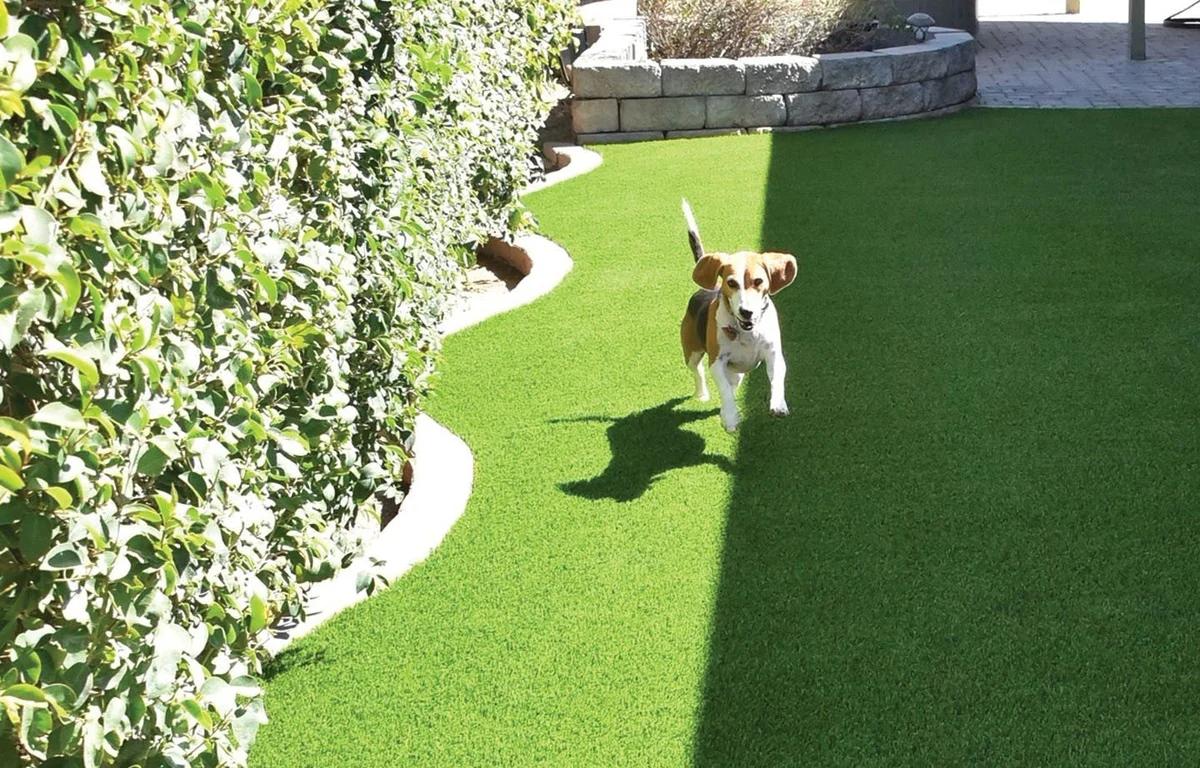
Professional drainage assessment and base preparation for Pasadena turf installation projects — the foundation work that determines whether artificial turf performs for a decade or begins failing in year two.
Pasadena sits on coastal prairie land with a clay-dominant subsoil that makes drainage planning the most consequential decision in any artificial turf installation. In the Houston metropolitan area, rainfall events can deliver two to four inches in a matter of hours during tropical weather systems that track through the Gulf region regularly. A turf installation built on an inadequate base layer will hold that water against the backing, create persistent surface moisture, and begin to fail structurally within a few seasons. Drainage and base preparation is not a pre-installation formality — it is the work that determines whether the turf system performs for ten years or begins showing problems in year two. Artificial Turf of Pasadena approaches every installation with drainage assessment as the first technical step. Before we discuss turf products, pile heights, or infill options, we are evaluating how water currently moves across and off your property, where it pools during significant rain events, what the subsoil composition looks like under the existing lawn surface, and whether the natural percolation rate is adequate for turf use or needs to be supplemented by an engineered drainage layer that we specify and build. For properties along the lower elevation areas near the Pasadena Freeway corridor, properties in the older Strawberry Festival-era neighborhoods with mature clay soil profiles, and commercial properties along Spencer Highway where impervious surface coverage limits natural drainage, we often recommend a drainage evaluation before any installation scope is developed. That evaluation gives you the information you need to make an installation decision that holds up under the specific conditions your property presents. Properties that skip this step are the ones that call contractors two years later with seam failures, soft spots, and odor problems in the pet zone. Proper base preparation prevents all of those outcomes before they have a chance to develop.
Drainage and base preparation covers the full technical foundation of an artificial turf installation, from initial assessment through finished base ready for turf placement.
Pasadena homeowners and commercial property owners who have seen a previous turf installation fail understand this clearly. The turf fiber is visible and gets discussed during the sale. The base is invisible once the turf is placed, but it is what the entire system's performance depends on. Artificial Turf of Pasadena has repaired and replaced installations across Southeast Texas where base work was cut short to reduce upfront installation cost, and the pattern is entirely consistent: the savings at installation time are consumed two to three times over by the repair and replacement cost that follows within a few years. We build the base correctly the first time because it is the most cost-effective approach over the actual lifetime of the installation.
Primary local coverage includes Pasadena, TX and surrounding communities.
Drainage and base work follows a systematic sequence that must be completed and verified before turf installation can begin.
Step 1
We evaluate current runoff patterns, identify pooling areas, and assess subsoil composition to determine the base depth and drainage aggregate specification required for this specific property.
Step 2
Existing surface material is removed to the required depth, grade corrections are made to establish positive drainage direction, and identified problem areas are addressed before base material is staged.
Step 3
The aggregate base is installed in lifts at the specified depth, each lift compacted to the appropriate density before the next is placed, producing a stable, uniform base surface.
Step 4
We confirm drainage performance through the installed base before turf is placed. If drainage does not meet the performance standard, the base is corrected before the project proceeds to turf installation.
Not every Pasadena property requires the same level of drainage intervention. These situations typically demand thorough base preparation work.
Clay-dominant subsoil found across much of the Pasadena area restricts natural percolation significantly. Properties where the subsoil is predominantly clay require adequate aggregate base depth to create the drainage column that a long-performing turf installation depends on.
Properties near the Pasadena Freeway corridor, properties that experienced flooding during significant rain events, and yards with documented pooling history need drainage-forward base design to prevent post-installation surface water problems.
Pet turf zones have liquid load requirements far above standard residential turf. Base preparation for pet zones accounts for concentrated liquid volume from daily dog use, requiring deeper aggregate and higher-permeability backing specifications than a standard lawn installation.
Base preparation scope depends on existing conditions at the property and the drainage performance standard required for the intended turf use.
Properties with higher clay content require deeper aggregate base to achieve the drainage performance the turf system needs. Sandy or loamy soil profiles common closer to the bay may require less base depth.
Properties with documented pooling history, poor natural drainage, or significant grade irregularities require more extensive preparation work than properties with adequate existing drainage and stable subgrade.
Pet zones, high-traffic commercial areas, and playground surfaces require deeper base preparation and higher-permeability aggregate specification than standard residential landscape turf.
Larger installation areas require proportionally more base material, excavation, and compaction time. Base work is typically the largest cost component of a complete turf installation.
Artificial Turf of Pasadena provides drainage assessment and base preparation services throughout Pasadena, TX, Deer Park, TX, La Porte, TX, South Houston, TX, Channelview, TX, Galena Park, TX, Clear Lake, TX, Seabrook, TX, Webster, TX, Friendswood, TX, Pearland, TX, and League City, TX.
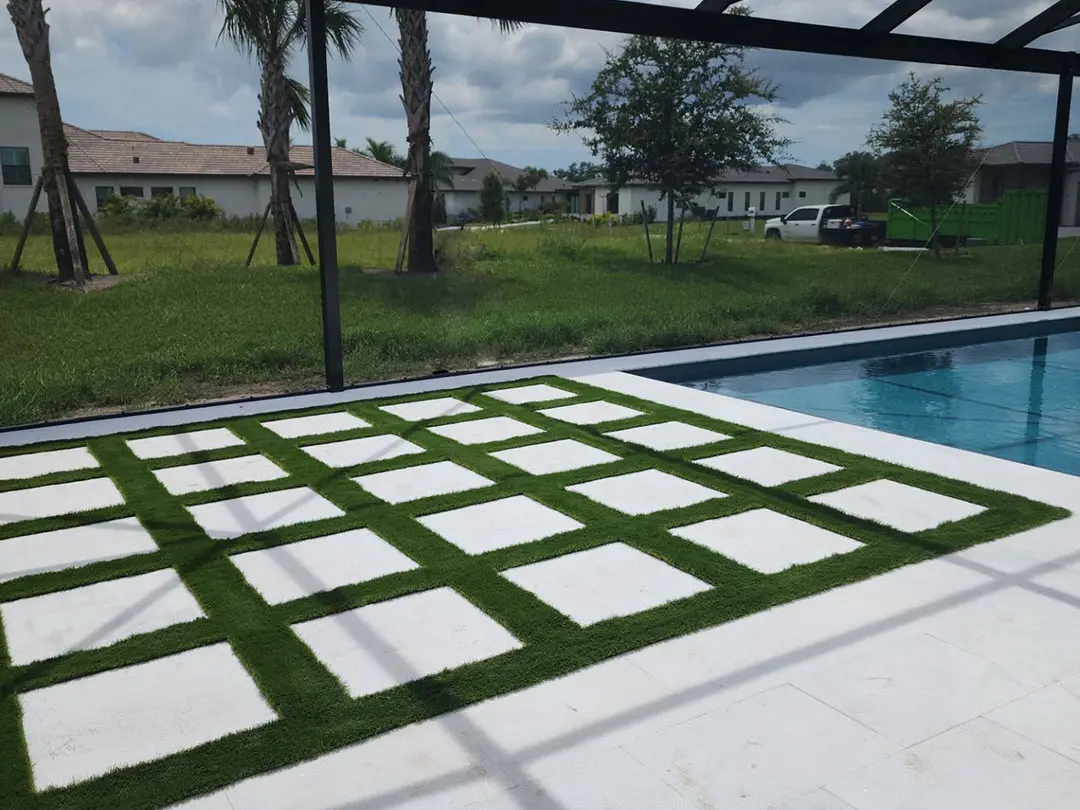
Complete synthetic turf installation systems for residential and commercial properties in Pasadena, TX.
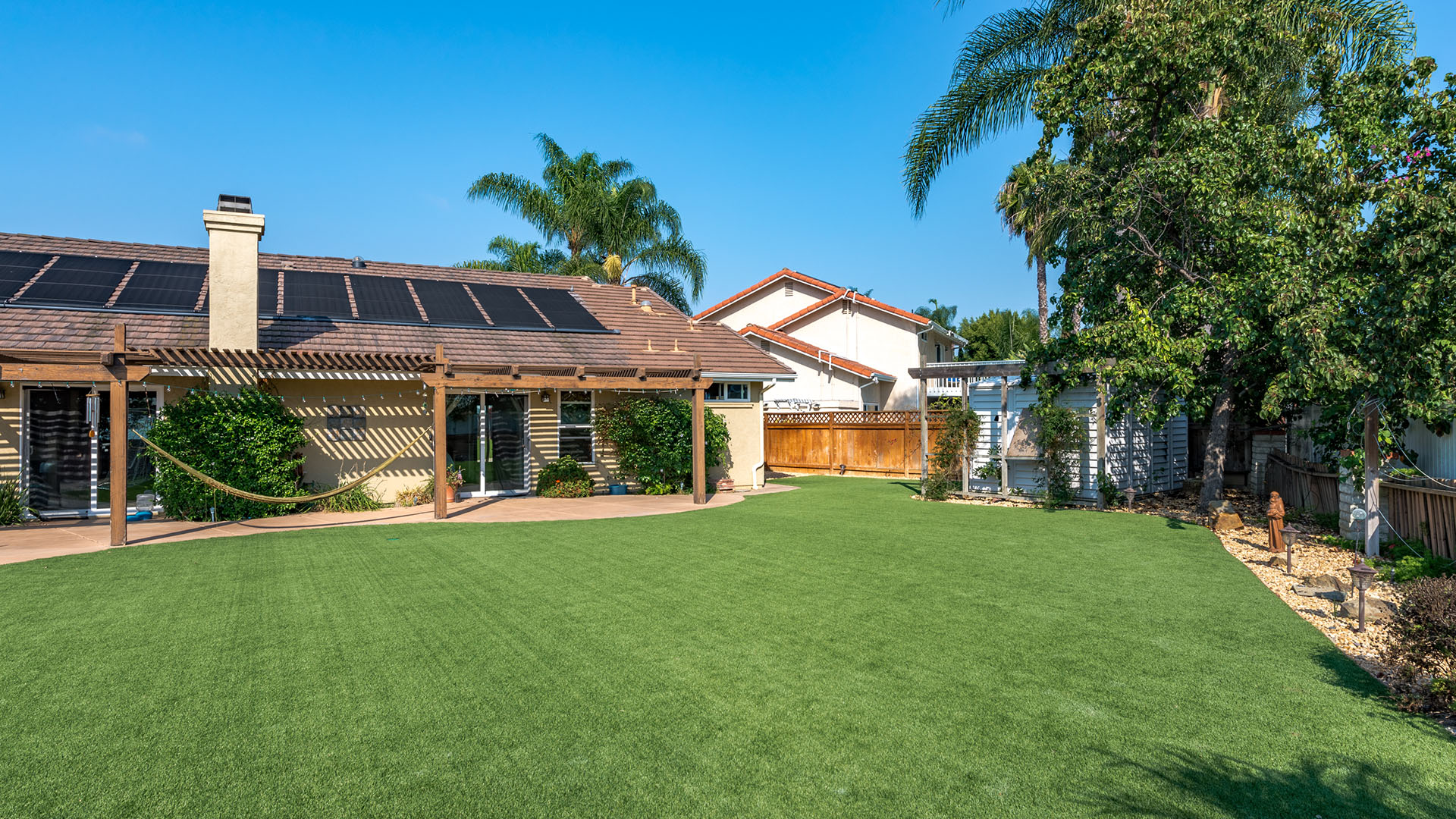
Backyard and front-yard turf planning for family use, pets, and lower weekly upkeep in Pasadena.
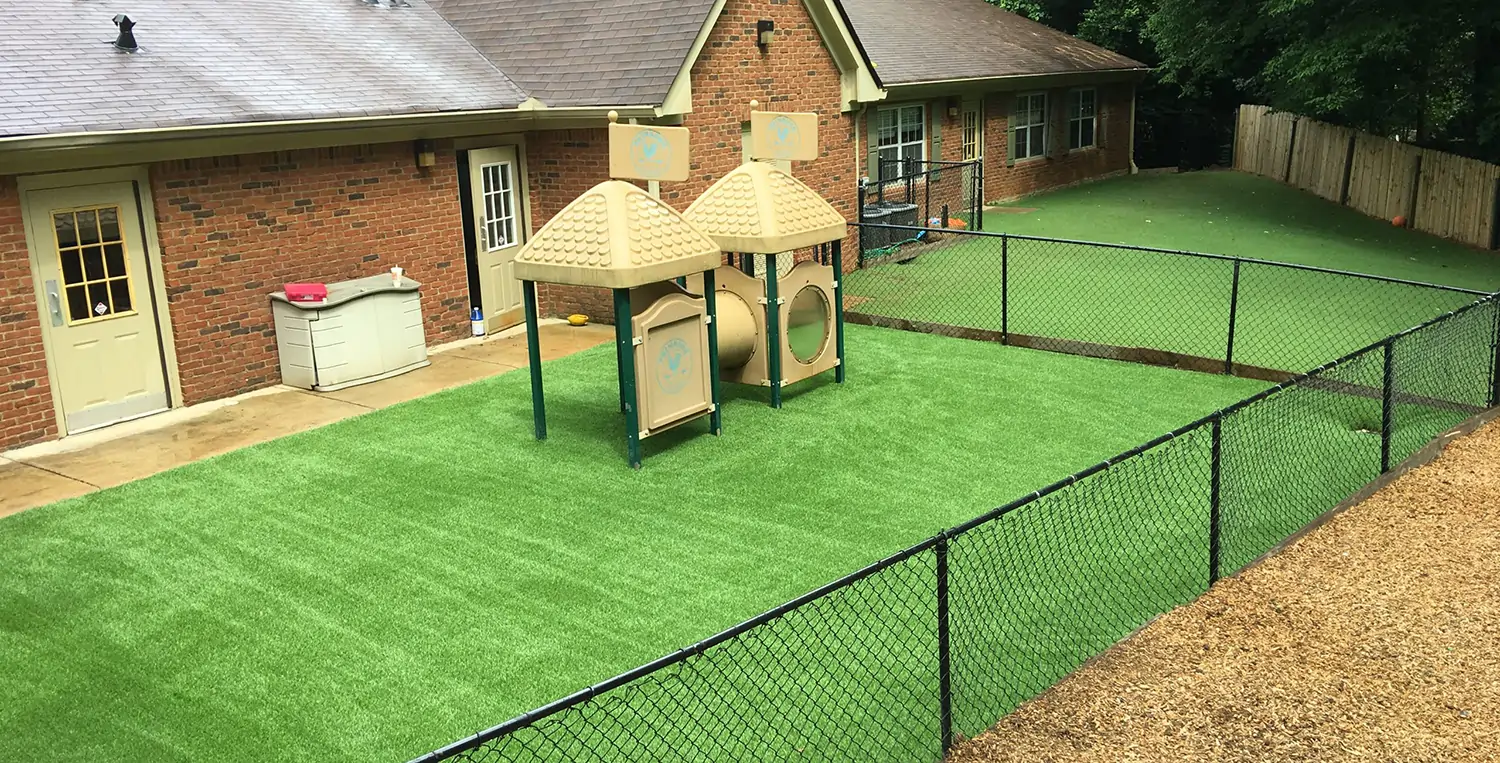
Drainage-oriented pet turf systems for cleaner and easier maintenance of dedicated pet areas.
Repair and maintenance service for seams, infill balance, drainage behavior, and surface grooming.
Typical residential installations on clay-dominant Pasadena soil use three to four inches of compacted aggregate base. Pet zones and high-use areas may require four to six inches. We confirm the specification based on site assessment before any base work is priced.
Crushed granite fines or graded aggregate are commonly used for turf base installation. We select the aggregate specification based on the drainage performance requirement and the intended surface use.
In most cases yes. Pooling that results from grade issues or inadequate percolation capacity can be corrected through grade adjustment and appropriate base depth. We assess the specific cause before recommending a solution.
Yes. Every installation requires some level of base preparation. The extent varies based on site conditions — some properties need more intervention than others, but skipping the assessment and preparation phase is the most common cause of turf installation failure in Southeast Texas.
Inadequate base preparation leads to drainage failure, soft spots as the base settles unevenly, seam stress from ground movement, and in pet zones, odor problems caused by moisture retention near the surface. These are all avoidable outcomes with proper base work from the start.
Yes. When we replace an existing turf installation that had drainage problems, we include a full base evaluation and correction in the replacement scope to prevent the same issues from recurring in the new installation.
Share your scope priorities and timeline. We will follow up with project recommendations for your property.
Call